The Filament Showdown: PLA vs. ABS – Which is Best for Your 3D Printing Projects?
When it comes to 3D printing, your filament choice can either make or break your model—literally. It’s the plastic duel of the decade: Polylactic Acid (PLA) vs Acrylonitrile Butadiene Styrene (ABS)


Which filament will melt your heart and which will leave you stringing along?
Let’s dive into this layer-by-layer comparison and find out which material is worth rolling with for your next masterpiece.
Meet the Contenders: What Are PLA and ABS?
PLA: The Sweetheart of 3D Printing
PLA is like the golden retriever of filaments—friendly, dependable, and doesn't cause much trouble. Made from renewable resources like corn starch, it’s biodegradable (under industrial composting conditions) and prints smoother than a jazz sax solo.
Print Temp: 180–230°C
Heated Bed: Optional
Fumes: Minimal
Finish: Glossy, vibrant
In short: it’s the “plug-and-print” option for beginners and pros who prefer low-maintenance projects.
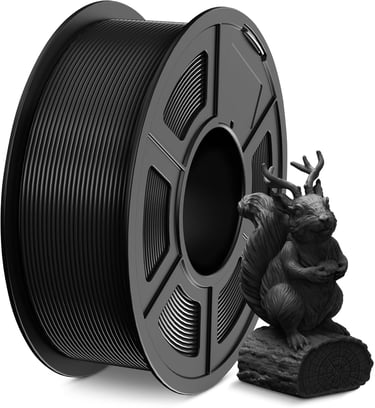
One of our favorites
SUNLU PLA
excellent layer bonding, even with low infill percentages, making it a great choice for display models
ABS: The Tough Cookie
ABS doesn’t mess around. It’s tougher, more heat-resistant, and perfect for mechanical or functional parts. But it does come with a bit of a temper—warping issues, smelly fumes, and a need for heated beds and enclosures.
Print Temp: 210–250°C
Heated Bed: Strongly recommended
Fumes: Noticeable, use proper ventilation
Finish: Matte, easy to post-process
ABS is like the bodybuilder at the filament gym—strong, intense, and not afraid of a challenge.
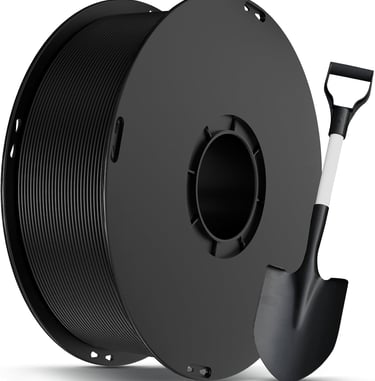
Try this: Anycubic ABS Filament – it’s reformulated to reduce warping and deliver top-tier durability.
Print-Off! Key Differences You Should Know
Strength & Flexibility
is stiff and precise—perfect for decorative pieces and models that need to look sharp. But it can snap under pressure.


PLA
ABS
on the other hand, can take a hit and bounce back. It’s better for tools, enclosures, or anything that might get knocked around.
Winner: ABS (if strength is your jam)
Temperature Tolerance
gets melty around 60°C—leave it in a hot car, and it might turn into modern art.


PLA
ABS
keeps its cool until about 100°C, making it ideal for things like automotive parts or coffee-related prints.
Winner: ABS (hot stuff!)
Ease of Printing
prints like butter. It’s easy to stick to the bed, doesn’t warp, and doesn’t need much babysitting.


PLA
ABS
is high-maintenance. Without an enclosed chamber or heated bed, expect your print to curl like week-old bacon.
Winner: PLA (for chill printing vibes)
Post-Processing
Want your model to shine bright like a diamond? PLA is a bit tricky to sand or polish.


PLA
ABS
however, loves makeovers. Sand it, drill it, or smooth it with acetone vapor—it’s like a plastic chameleon.
Winner: ABS (style points)
Eco-Friendliness
wins the green crown—it’s plant-based and biodegradable (with a little help).


PLA
ABS
is made from oil and doesn’t play well with the environment. Sorry, Earth.
Winner: PLA (go green or go home)
So… Which Filament Should You Choose?
Here’s a quick cheat sheet:
If you need...
Easy, reliable printing
Strong, functional parts
Glossy, colorful finish
High-temp tolerance
Eco-friendly material
Sanding, acetone smoothing
Go with...
PLA
ABS
PLA
ABS
PLA
ABS
Still stuck on the fence? Why not try both and see which one extrudes excellence for your workflow?
Final Tips Before You Print
Keep a dry box handy - both PLA and ABS can absorb moisture and become stringy or brittle.
If you’re printing ABS, use an enclosure to keep temps steady and fumes in check.
For clean adhesion with PLA, use a glue stick or painter’s tape. For ABS, stick with a heated glass bed.
When it comes to PLA vs. ABS, there’s no one-filament-fits-all answer. Think about your project’s goal—looks vs. strength, simplicity vs. endurance—and choose accordingly.